
Pro-level Gaming Methods for Piggy Bank Slot Experienced Players in Australia

If you’ve worked the reels on Piggy Bank enough to know its basic features inside out, you’ll know there’s a big gap between grasping the rules and competing with real planning https://piggybankcasino.net/. This gap is where experienced Australian players can find an upper hand. Moving past standard spin-and-hope actions requires a shift in mindset. You need to improve your strategies and control your bankroll with this particular game’s character in mind. This guide is for players willing to make that shift. We’ll break down the nuanced techniques that convert casual play into something more intentional. We’ll consider handling Piggy Bank’s distinct brand of variance, examine the maths behind buying bonuses where it’s allowed, and detail session plans that preserve your balance intact during dry spells. The objective is to offer you a certain, thorough guide. It’s about making smarter decisions that enhance your enjoyment and your potential gains, all while adhering to the regulated gambling norms that Australian regulators and clued-in players expect.
Bankroll Management: The Unavoidable Core of Expertise
Each advanced technique fails without rigorous bankroll management. Here is where I’ve seen even seasoned Australian players struggle. Advanced management entails allocating your gambling funds into separate session bankrolls. Once the portion you reserve for a Piggy Bank session is gone, you cease. No deviations. The technique requires computing your bet size as a tiny fraction of your total gambling fund, never your daily living money. Cultivate a professional mindset: regard this bankroll as an recreational investment fund. A more refined method is the ‘percentage adjustment’ model. After a successful session, you bank a part of the profit, say 50%, and only include a lesser portion back to your rolling bankroll. After a unsuccessful session, you don’t replenish with fresh cash to recover losses. Instead, you move down to a lower bet tier that aligns with your now-reduced bankroll. This structured method ensures longevity. It cuts the risk of major loss and turns your gameplay from an rash reaction into a methodical, sustainable activity. It is, without question, the most critical technique in this entire guide. Let’s go through an example. Picture your total gambling fund is $1000. A sensible session bankroll might be 10%, or $100. Applying the 200-300x bet rule, your bet per spin on Piggy Bank should then sit between $0.33 and $0.50. If you forfeit that $100 session, your total fund is now $900. Your next session bankroll becomes $90, and your bet size decreases slightly. This systematic reduction protects you from disaster during a downswing. It’s a principle professional players in any field recognize is key to longevity.
Analyzing Risk and RTP: A Tactical Foundation
You don’t want to place another bet unless you’ve obtained a solid, working grasp of Piggy Bank Slot’s volatility and its listed Return to Player (RTP). Think of RTP as the long-term mean, often hovering near 96% for authentic versions. Volatility, meanwhile, dictates the tempo of your real session. Piggy Bank, with its fixed reels and its bonus round possibility, typically falls into the medium-to-high volatility category. Wins may not come often, but when they hit, they can be substantial. For an experienced Australian player, this fact shapes your entire bankroll approach. Your session funds need enough depth to survive the long stretches without a decent win. You’re patiently waiting for the bonus round or a big combination to appear. Don’t view this as a warning; see it as your game plan. It tells you how to determine your bets. You require a bet level that allows for hundreds of spins, not just a few dozen. It also establishes your expectations. Understanding that quiet phases are part of the design enables you ride them out without getting frustrated. They are merely the cost of getting a opportunity at the game’s bigger rewards. Let’s make this tangible. Suppose you’ve set aside $100 for a session. On a unpredictable game like this, betting $1 a spin only gives you 100 spins. That’s often not adequate to witness what the game can really offer. Drop your bet to $0.50, and you now have 200 spins. You’ve just doubled your chances of activating the bonus or hitting a premium win, matching your capital to the game’s natural rhythm for a much more efficient session.
Calculated Use of Functions and Autoplay
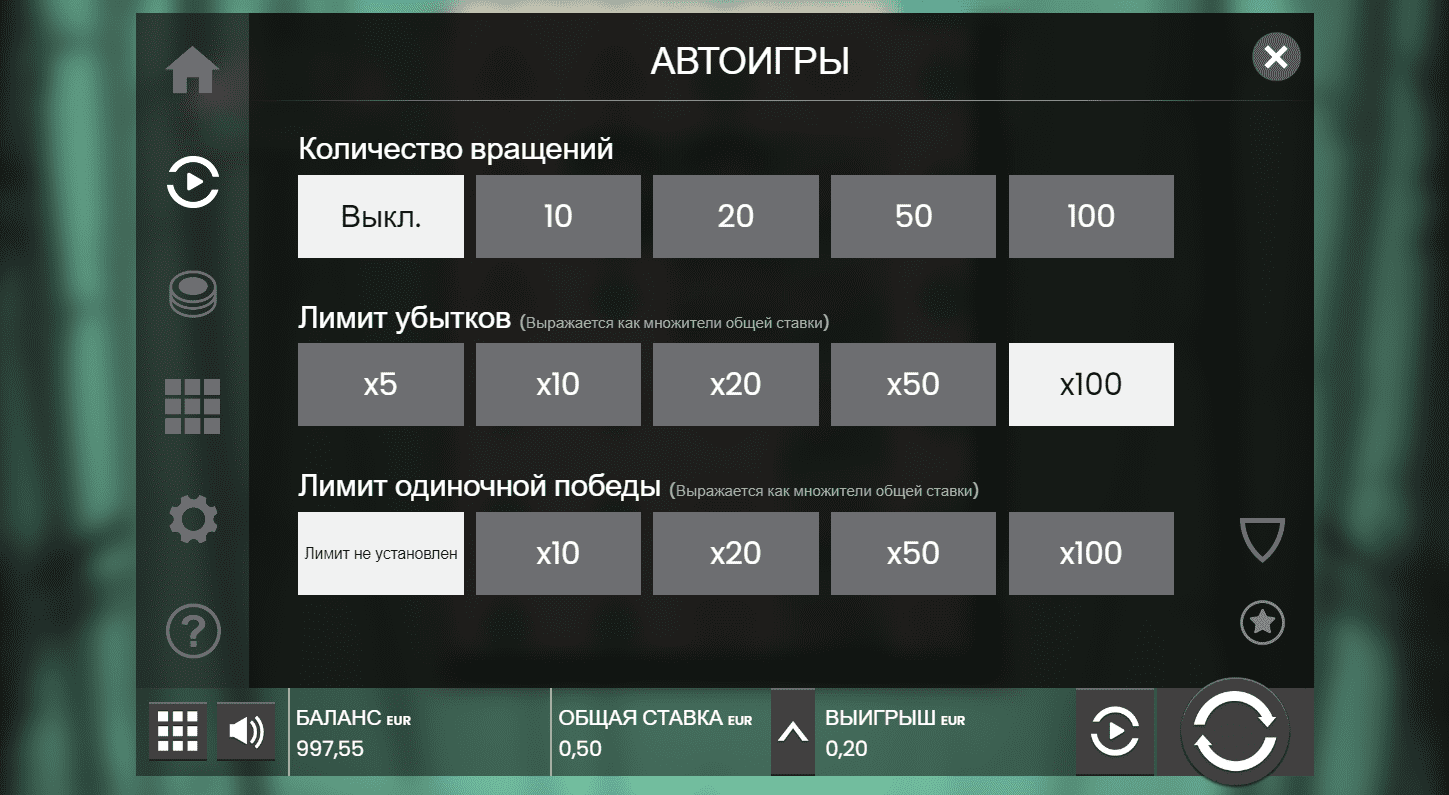
Autoplay is ubiquitous, but how you use it differentiates casual spinners from tactical players. On a unpredictable game like Piggy Bank, I recommend a tightly controlled, parameter-driven use of Autoplay. The expert technique is to set hard limits: a loss limit that stops play without input, a single-win limit that pauses spins after a significant prize, and a set number of spins, like 50 or 100. This removes emotion out of the monotonous spinning and enforces your prepared discipline. The major mistake is setting it and forgetting it. You need to stay attentive, watching for feature triggers. On top of that, study the game’s other features inside out. Know precisely which symbol combinations trigger the locked reels and what the possible outcomes are. This isn’t passive play. It’s systematic execution of a battle plan, with you as the commander. For the Australian player centered on responsible gambling, these automated limits are a foundational tool. They keep you in command, making sure a lengthy session or a moment of distraction doesn’t lead you past your personal financial boundaries. One more pro-tip: use autoplay alongside a note-taking app or a mental log. By tracking how often bonuses or locked reels appear over several autoplay blocks, you accumulate your own data on the game’s patterns. This insight can guide your future bet-sizing or even your determination to switch games if the volatility feels too intense for your current bankroll.
Conquering the Wagering Strategy: Past Coin Size
Your bet per spin is the most immediate control you have. For an experienced Australian player, this isn’t a one-time decision. It’s a fluid choice. A key technique is to tie your bet size directly to a dedicated session bankroll. I’d suggest having at least 200 to 300 times your total bet per spin as a baseline to properly tackle a volatile slot. But expert play means adjusting to the situation. Try a ‘baseline and boost’ method. Hold a conservative bet that ensures session length, but have a clear rule for a temporary increase. Maybe if you see two near-misses on a complete set of piggy bank symbols in quick succession, you raise your bet for a spin or two to capitalize on what feels like momentum. Keep in mind, this is more about psychology than proven maths. The true skill is in never breaking your pre-set loss limits. The sophisticated move is the discipline of adhering to the plan, not ramping up out of frustration. Also, bear in mind that in Piggy Bank, mechanics like the locked reels are triggered by specific symbols. Your bet size straight shapes the payout from those rounds, so selecting a deliberate baseline bet is critical. Another approach is to review the paytable in relation to your stake. If the top win for a certain combination is 500x your bet, you must determine: are you playing for frequent, smaller line hits, or are you bankrolling a hunt for the larger, less common jackpot-style wins? Your decision will change your bet-per-spin calculation and your mental readiness for the session’s inevitable swings.
Mindset Management and Game Management
The final challenge in advanced slot play is your own mind. High-variance games like Piggy Bank are crafted to generate mental ups and downs. The expert method is to neutralize that mental rollercoaster through conscious mindset regulation. This means adhering to session time limits alongside your budgetary constraints. I use a timer. When it sounds, I withdraw and assess my position, regardless of whether I’m ‘on a hot streak’ or ‘feeling due for a win’. Both thoughts are risky fallacies. Learn to spot and avoid tilt, that emotional, rash condition after a losing streak or a close call on the bonus. The moment you feel frustration forcing the ‘spin’ button, that’s your cue to quit and stop playing. Practice detachment from outcomes. See each spin as part of a probability curve, not a private fight with the machine. For the Australian player, cultivating this calm, analytical attitude is what lets you execute all the specialized methods we’ve discussed. It converts gambling from an psychological ride into a regulated pastime. One practical exercise I use is a ‘post-session review’. After every session, I spend two minutes noting not my profit or loss, but how well I followed my plan. Did I stop at my loss limit? Did I increase bets on a whim? Did I chase the bonus round? This impartial self-evaluation strengthens controlled conduct far better than cheering a lucky win or bemoaning a loss. It builds the psychological conditioning needed for enduring, balanced gambling.
Exploiting the Feature Round: Maximizing the Piggy Bank Smash
The real profit engine in Piggy Bank Slot is its renowned bonus round, where you shatter porcelain pigs to discover cash and multipliers. For a newcomer, this is complete chance. For an skilled player, it’s a opportunity to maximize gains. The approach here centers on pattern recognition and controlling your own impulses. While each pig’s contents are arbitrary, the round often adheres to a loose logic. Smaller prizes tend to pop up early, with multipliers and larger cash amounts hidden in the later picks. The sophisticated approach is to methodically note the order of reveals without falling for the urge to ‘chase’ a big multiplier that might not be there. Define a individual target for the round itself. Maybe you aim to reveal a specific multiplier, or to attain a total that multiplies by two your initial trigger win. Importantly, control your expectations. Not every bonus round will deliver a monster jackpot. A skilled player sees a fairly profitable round as a success, then uses those winnings to support more play. This round is your key target. Every spin apart from it is essentially about protecting your capital until this moment arrives. Consider about your pacing too. Rushing offers no statistical edge. I suggest a calculated speed, in your mind counting your running total after each pick. This calm approach assists if you’re presented with a ‘Collect’ option versus the chance to carry on picking. Understanding that the ‘smash’ is the game’s climax allows you disconnect from the outcome of individual spins. You can concentrate your whole strategy on capitalising on this feature when it ultimately shows up.

Adapting to Australian Context and Final Insights
Applying these techniques in Australia requires an extra layer of vigilance. First, always gamble on a regulated, reputable site that provides the real Piggy Bank Slot. This ensures the listed RTP and volatility are precise. Australian regulations mandate responsible gambling options, so utilize them. Establish your deposit caps, loss boundaries, and session alerts within your account settings. This is an sophisticated technique that automates your restraint. Second, keep the legal environment in consideration. Options like ‘Bonus Buy’ may not be available in all places, so your plan must adjust. Without the ability to buy features, the endurance and capital safekeeping strategies we discussed become even more critical. Ultimately, integrate all these methods into a individual playbook. Begin every session with a strategy: your bankroll, your bet size, your win/loss thresholds, and your session time. When you assess your outcomes, assess it not just on winnings or shortfall, but on how closely you obeyed your own rules. True advanced play is about controlling yourself as much as the activity. That’s what leads to a more enduring, enjoyable, and potentially beneficial time at the Piggy Bank Slot game. Bear in mind, Australia’s interactive gambling framework is constructed for player protection. Employing features like pre-commitment and self-exclusion isn’t a sign of frailty. It’s the sign of a calculated, experienced player who comprehends the real objective: regulated amusement, not pursuing deficits or trying to beat a random number generator.